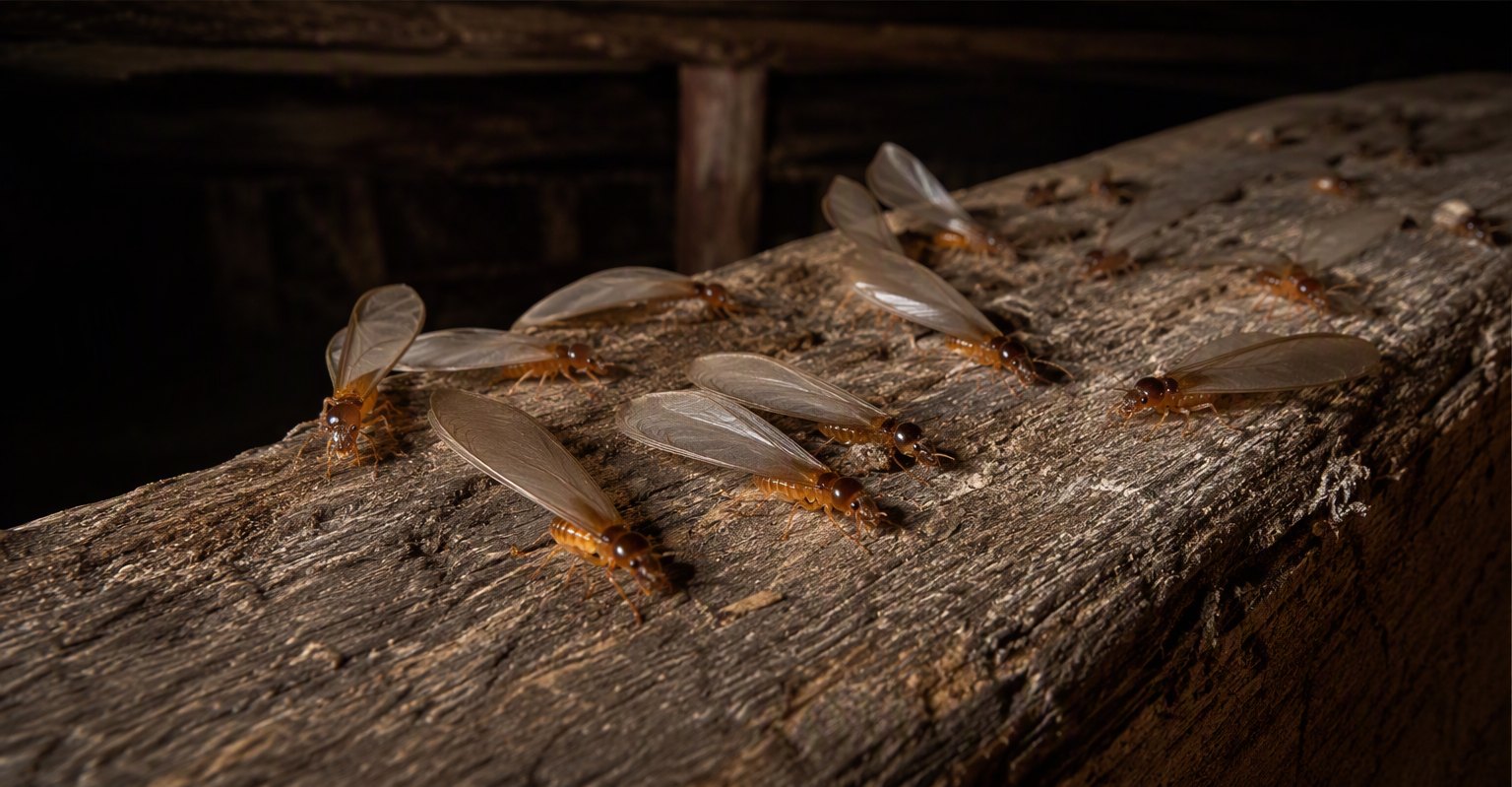
On a warm, humid evening in late spring, the streetlights downtown attract a blizzard of small winged insects. Visitors call it a moth thing. Locals know better: it’s the Formosan swarm — the mating flight of the most aggressive termite species in the United States, and Coastal Georgia is its stronghold.
What makes Formosans different
Native subterranean termites run colonies in the hundreds of thousands. Formosans run them in the millions, with foraging ranges that reach hundreds of feet through the soil. They eat faster, build bigger, and — unlike the natives — can establish above-ground nests in walls and flat roofs when a moisture source exists. A colony that would take a native years to do serious damage can do it in months.
Why the historic housing stock is exposed
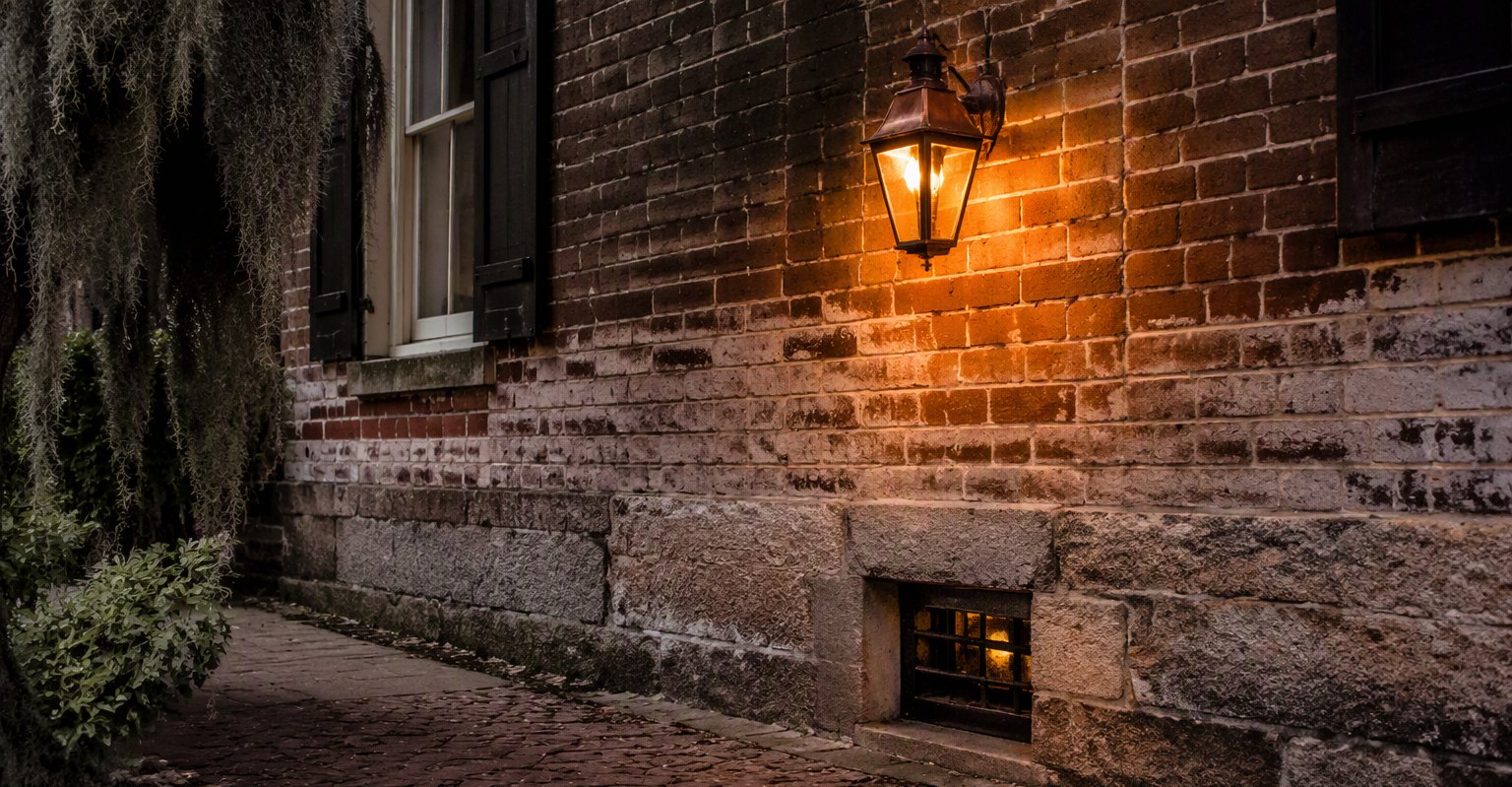
The downtown and Victorian-district houses were built with heart pine and masonry long before treated lumber existed. Raised crawlspaces hold moisture against sills. Generations of renovations leave hidden wood-to-soil contact. Brick veneer weeps hold humidity against framing. None of this is a scandal — it’s simply what two centuries of construction looks like to a termite. The houses are worth protecting precisely because replacing what they’re made of is no longer possible.
The swarm is the symptom, not the disease
Swarmers themselves are harmless — they bite nobody and eat nothing. They matter because a swarm means a mature colony within foraging range, and swarmers inside the house mean the colony is in or under the structure. If you vacuumed wings off the windowsill this spring, the workers are still there — silent, out of sight, and on the clock.
What actually protects an old house
An inspection that goes into the crawlspace with a moisture meter and a probe, not around the yard with a clipboard. Then a treatment matched to the construction — liquid soil barrier, bait system, or both — and the moisture corrections that make the structure less inviting: drainage, vapor barrier, ventilation, fixing the slow plumbing leak nobody sees. The termite service page walks through how we run it, and the quote is always in writing before anything touches the soil.