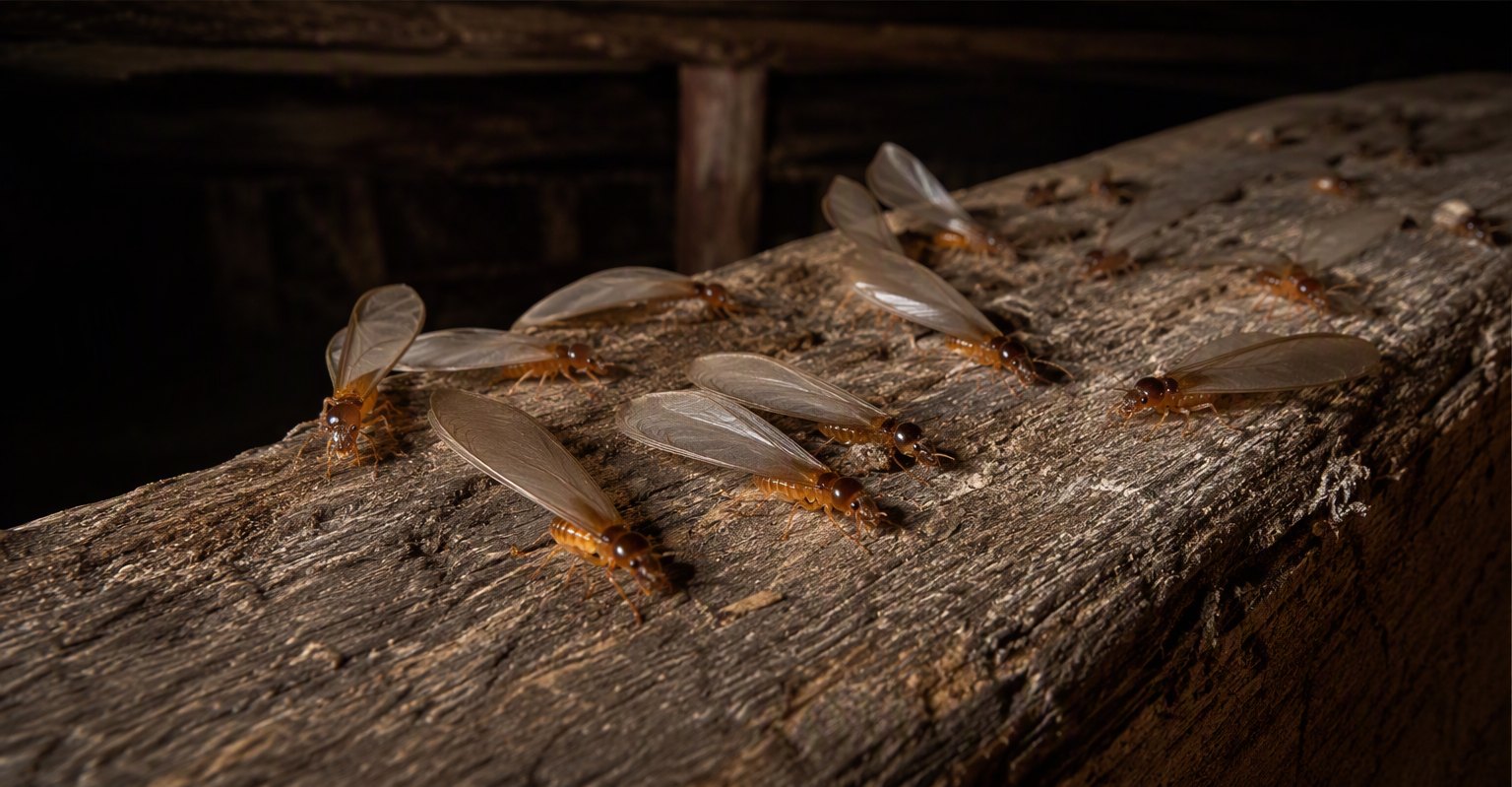
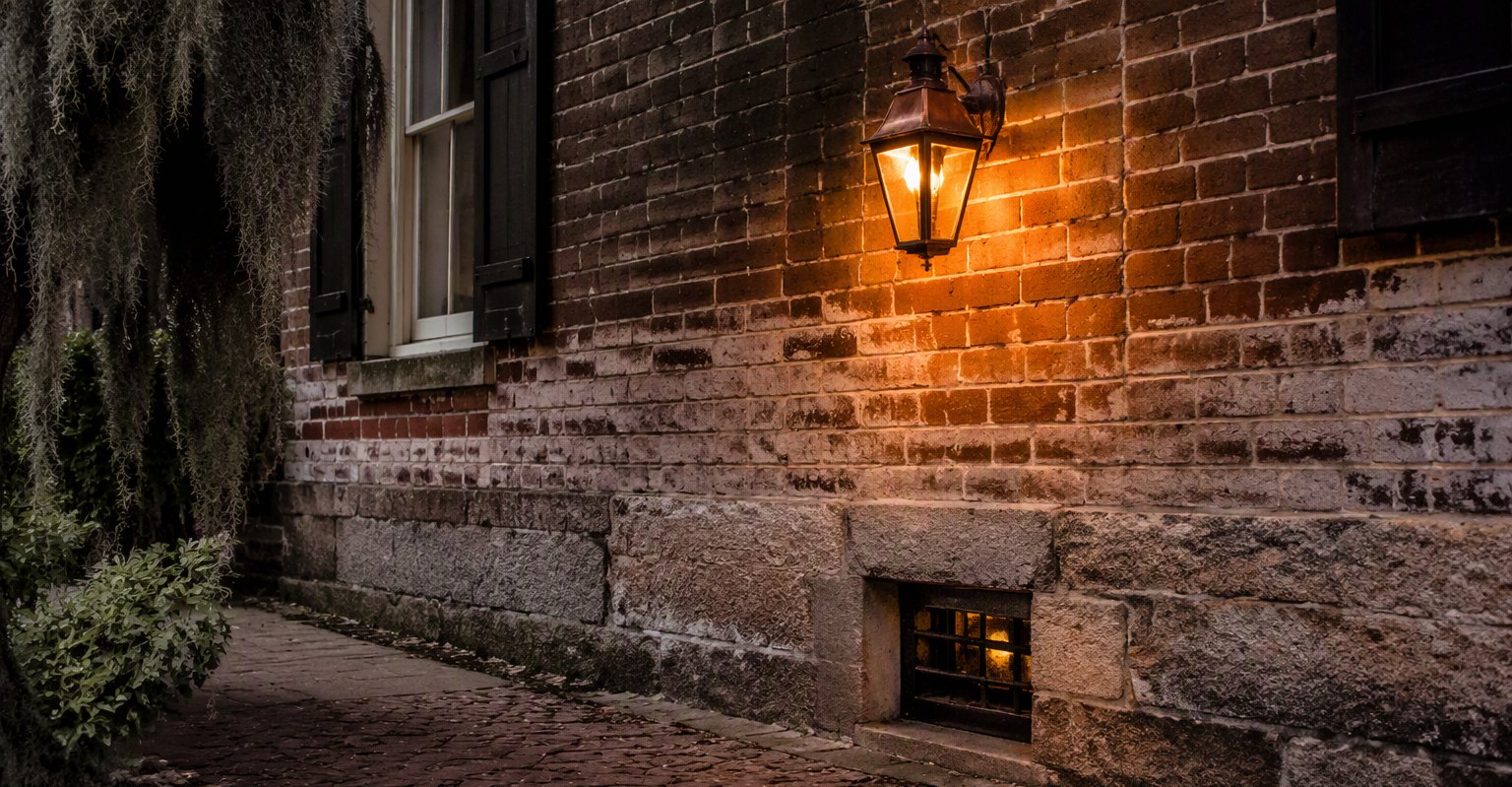
A nineteenth-century house keeps rain out with materials and methods that predate the zip code — and pests treat every one of those charming details as a door. Pestproofing a historic home isn’t about making it modern; it’s about closing the specific openings the old construction leaves, without harming the fabric of the house.
The crawlspace is the headquarters
Raised houses mean crawlspaces, and Savannah crawlspaces hold moisture — which holds termites, roaches, silverfish, and centipedes, which draw everything that eats them. The fixes are unglamorous and decisive: a proper vapor barrier, working ventilation, drainage that moves water away from piers, and plumbing leaks fixed on discovery. Dry crawlspace houses simply have fewer pests. There’s no spray that substitutes for it.
The envelope audit
Historic envelopes breathe through a hundred small openings. The ones that matter for pests: gaps at the sill line, weep holes in brick veneer (they must stay open for the masonry — they get screened inserts, not caulk), deteriorated mortar joints, the gaps where additions meet original walls, utility penetrations from a century of retrofits, and attic vents without intact screens. A systematic audit maps and closes them with pest-grade materials — copper mesh and sealant, not expanding foam alone, which rodents treat as a snack.
The roofline and the canopy
Live oaks are the neighborhood’s glory and its rodent highway. Limbs within jumping distance of the roof are how roof rats arrive; six feet of clearance is the standard. Soffit returns, fascia gaps, and the junctions of old rooflines are the entries the inspection checks first. None of this requires touching the tree’s health or the house’s look — it’s trimming and sealing, done carefully.
Where treatment fits
Physical keep-out first, chemistry second — that order is what makes a treatment program on a historic house stick. Once the envelope is mapped and the crawlspace is dry, a targeted perimeter and a yearly termite inspection hold the line. The house stays itself; the pests go back to the marsh. The general pest service is built exactly this way — inspection and entry points first, always.