Every spring, the same thing happens: a newcomer to the lowcountry meets the sand gnat, loses a week of evenings to the welts, and calls a pest company demanding the yard be treated. Some companies take the money. This post exists so that, if you call us, we don’t have to be the ones to tell you the true thing — here it is in writing.
What sand gnats actually are
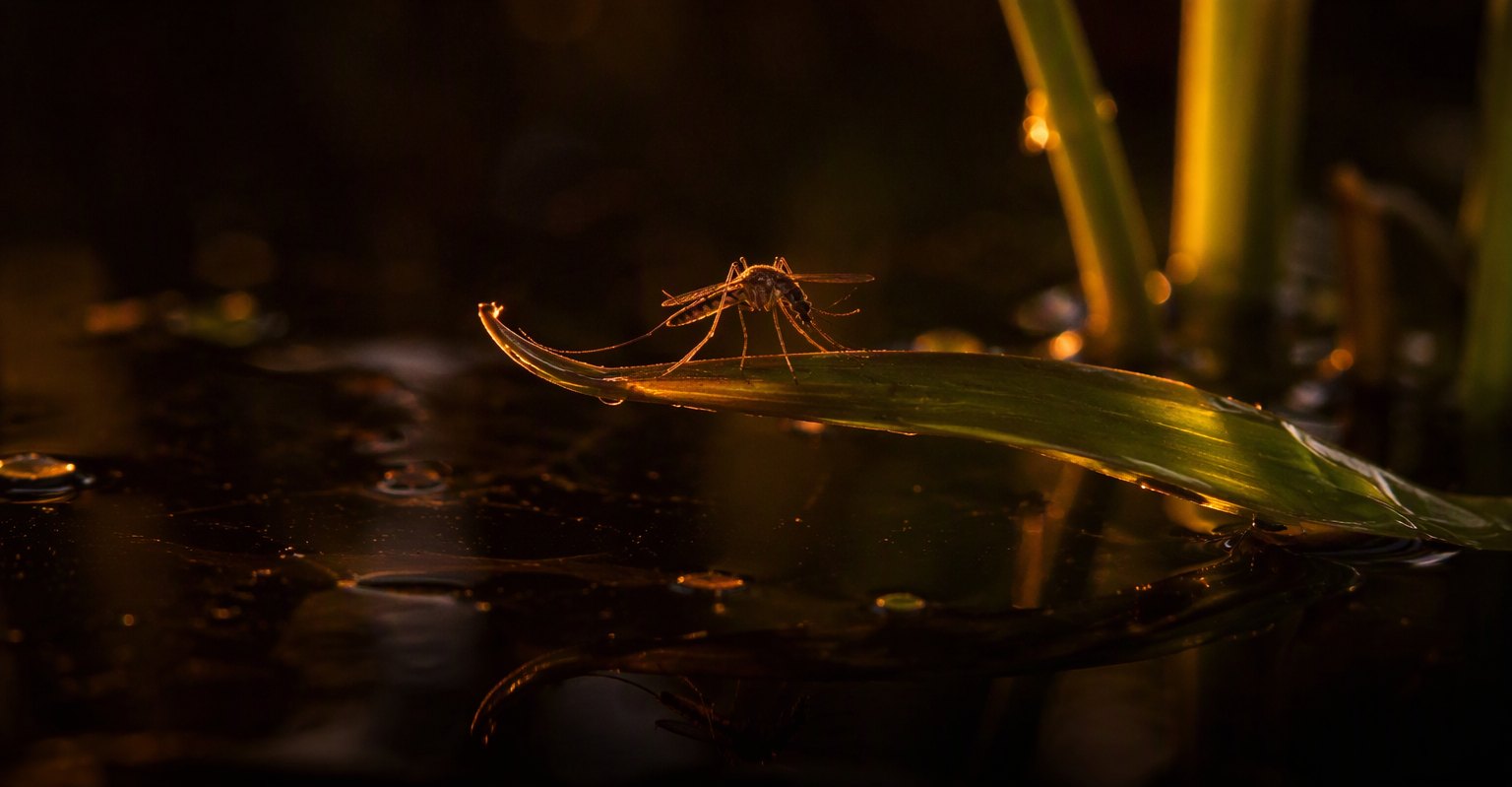
Biting midges — no-see-ums, sand flies, the official state bird of the Georgia coast, depending on who’s complaining. They are tiny enough to pass through standard window screen, and they bite with an enthusiasm entirely out of proportion to their size. The welts outlast mosquito bites, itch harder, and arrive in numbers.
Why spraying doesn’t work
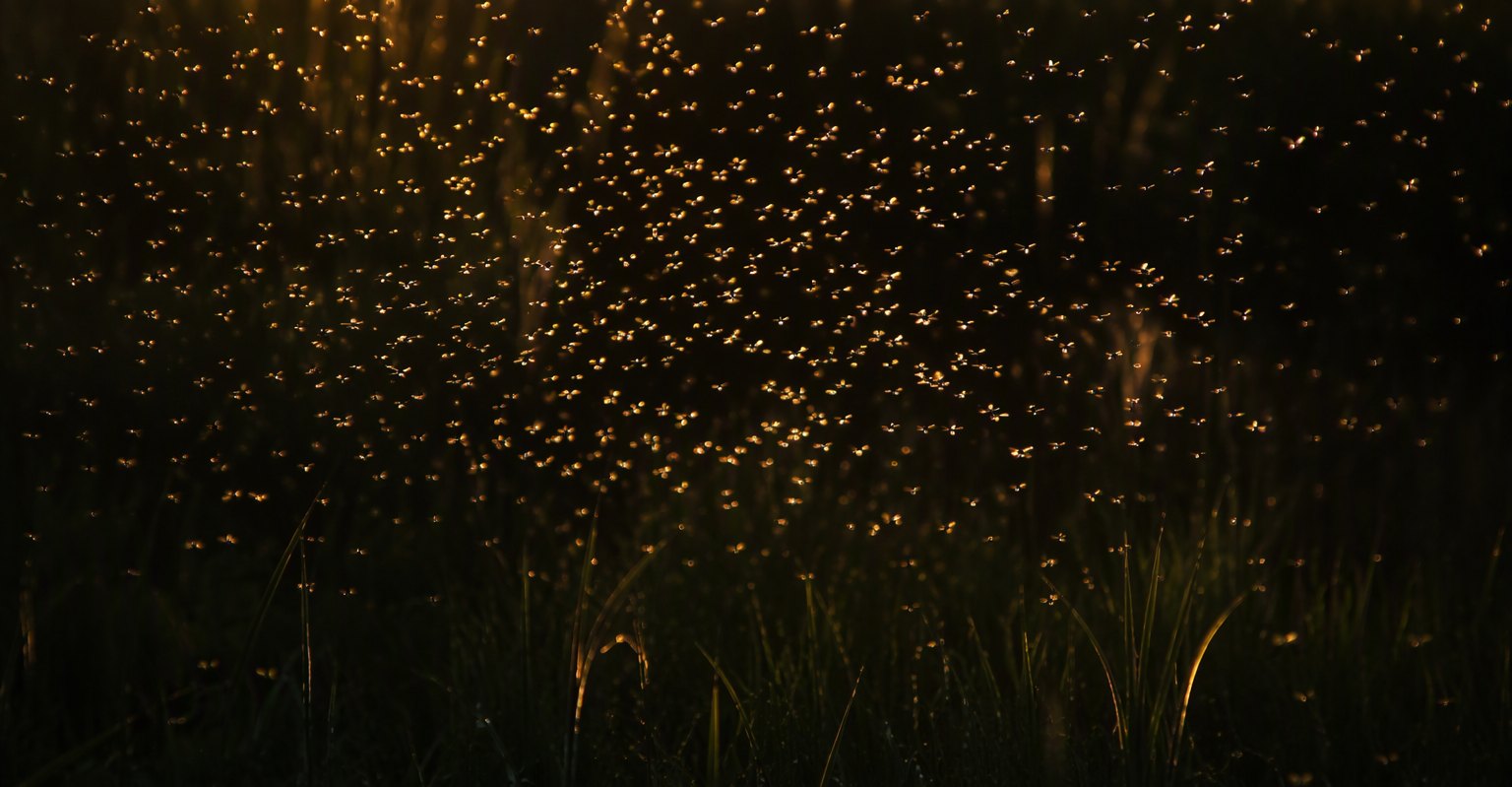
Sand gnats breed in damp sandy soil and marsh — the same marsh that defines the coast. The breeding habitat isn’t in your yard; your yard is just inside their flight range. A barrier treatment that hammers mosquitoes barely registers against midges, because the population regenerates off your property, continuously, all season. Treating the yard for gnats is mowing the ocean.
What actually helps
Repellent with DEET or picaridin, applied like you mean it. Fans on the porch — gnats are weaker fliers than mosquitoes and a decent breeze grounds them. Timing: they feed hardest at dawn and dusk on still, humid days; a breezy midday is genuinely safer. Tighter screens if you’re screening a porch — the no-see-um mesh, not the standard stuff. None of it is glamorous. All of it beats a treatment that can’t deliver.
Why we publish this
Because the same honesty runs the other way. When something in your yard genuinely can be stomped — mosquitoes, fire ants, the whole roster on the services page — we’ll say that plainly too, price it in writing, and do it. A company that tells you the truth about the unwinnable fight is the one you can believe about the winnable ones.